Standby Generator vs Portable Generator: What Works Best in Charlotte?

How to Choose the Right Generator for Your Charlotte Home
Power outages in Charlotte aren’t just inconvenient—they can disrupt your entire day, damage appliances, and even put your safety at risk. Whether it’s a summer storm or unexpected grid failure, having a backup power solution isn’t optional anymore—it’s essential.
But here’s the big question most homeowners face:
Should you choose a standby generator or a portable generator?
If you’re unsure which option is right for your home, you’re not alone. This guide breaks down the key differences, real-world use cases, and how to make the right choice for your specific situation in Charlotte.
Understanding Your Backup Power Options
Before choosing between the two, it’s important to understand what each generator actually does—and what it doesn’t.
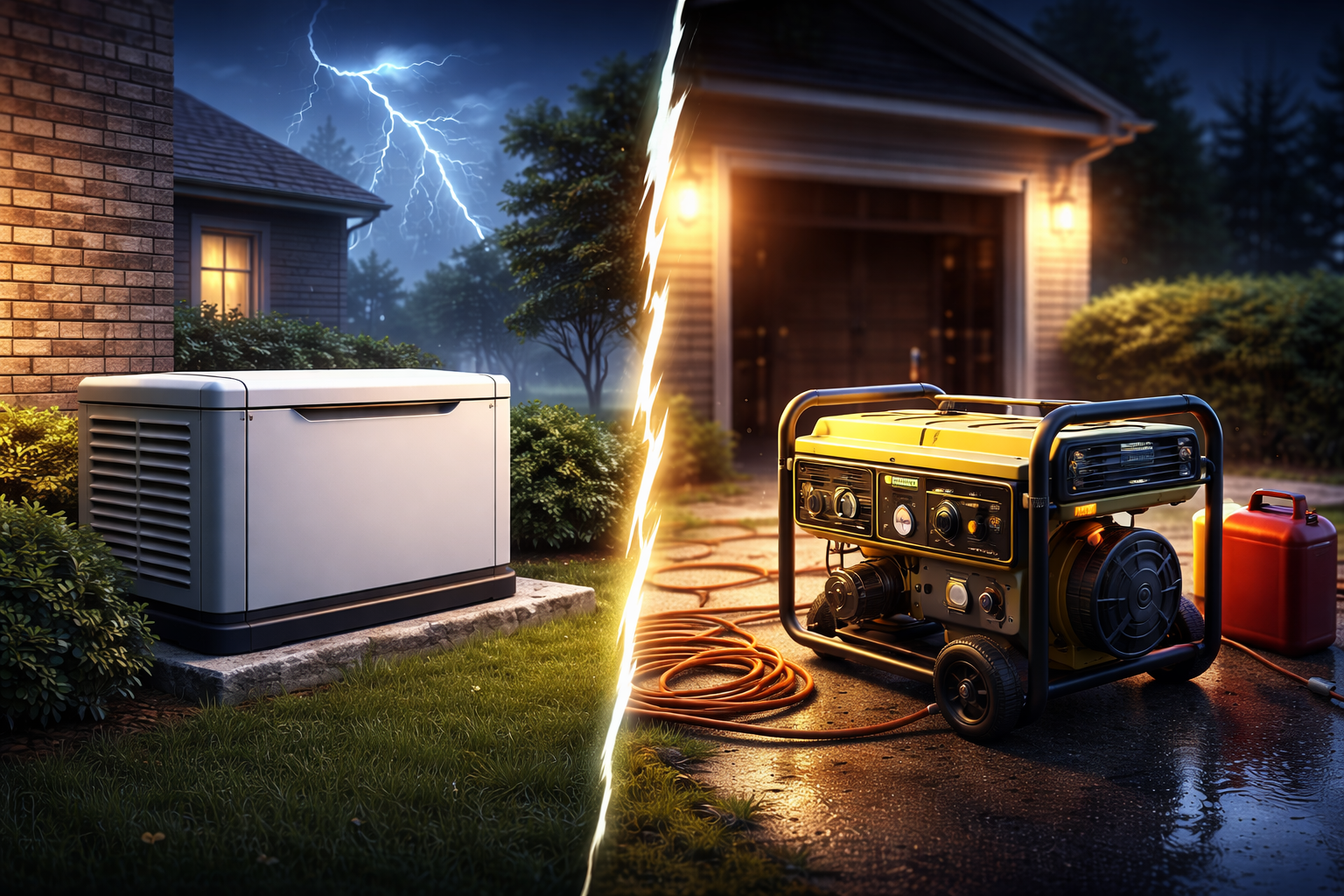
A portable generator is a smaller, mobile unit that you manually start during an outage. It typically powers a few essential appliances using extension cords or a transfer switch.
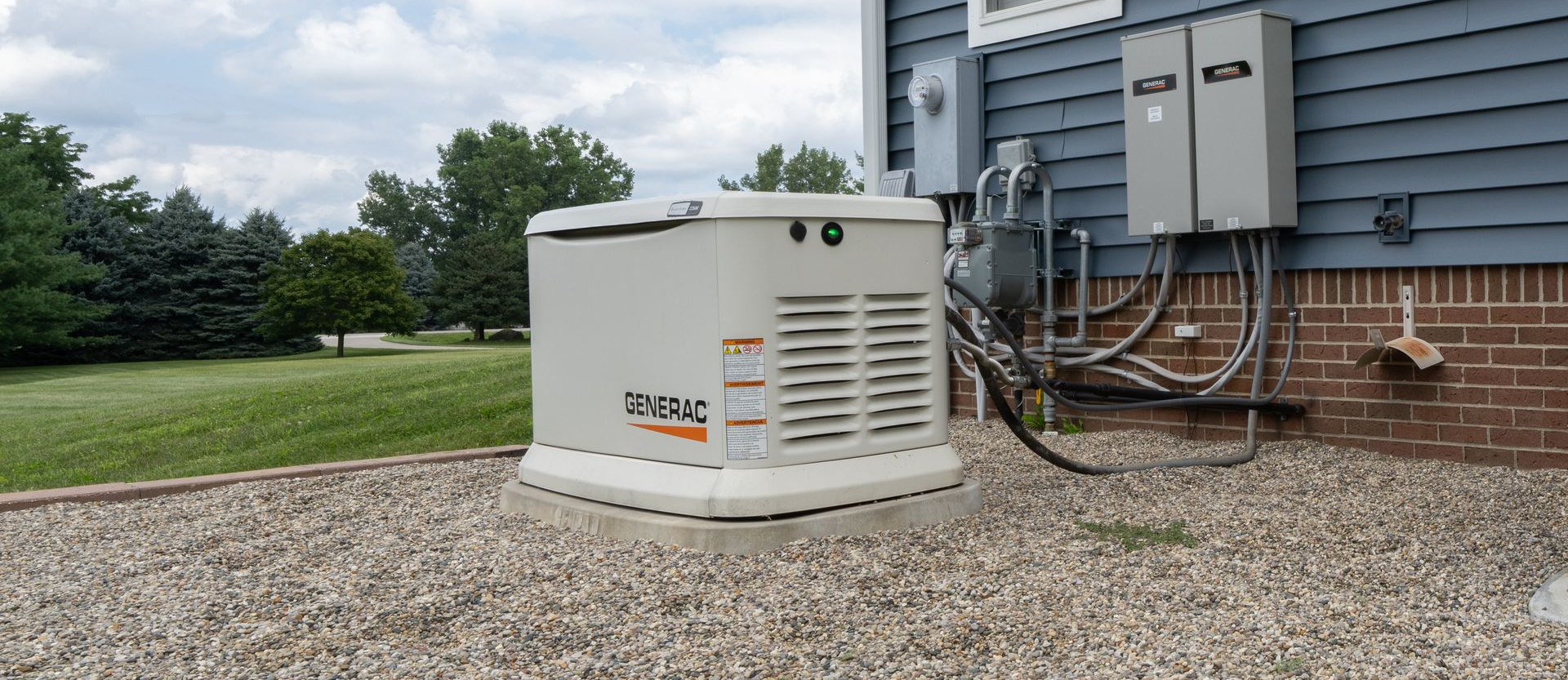
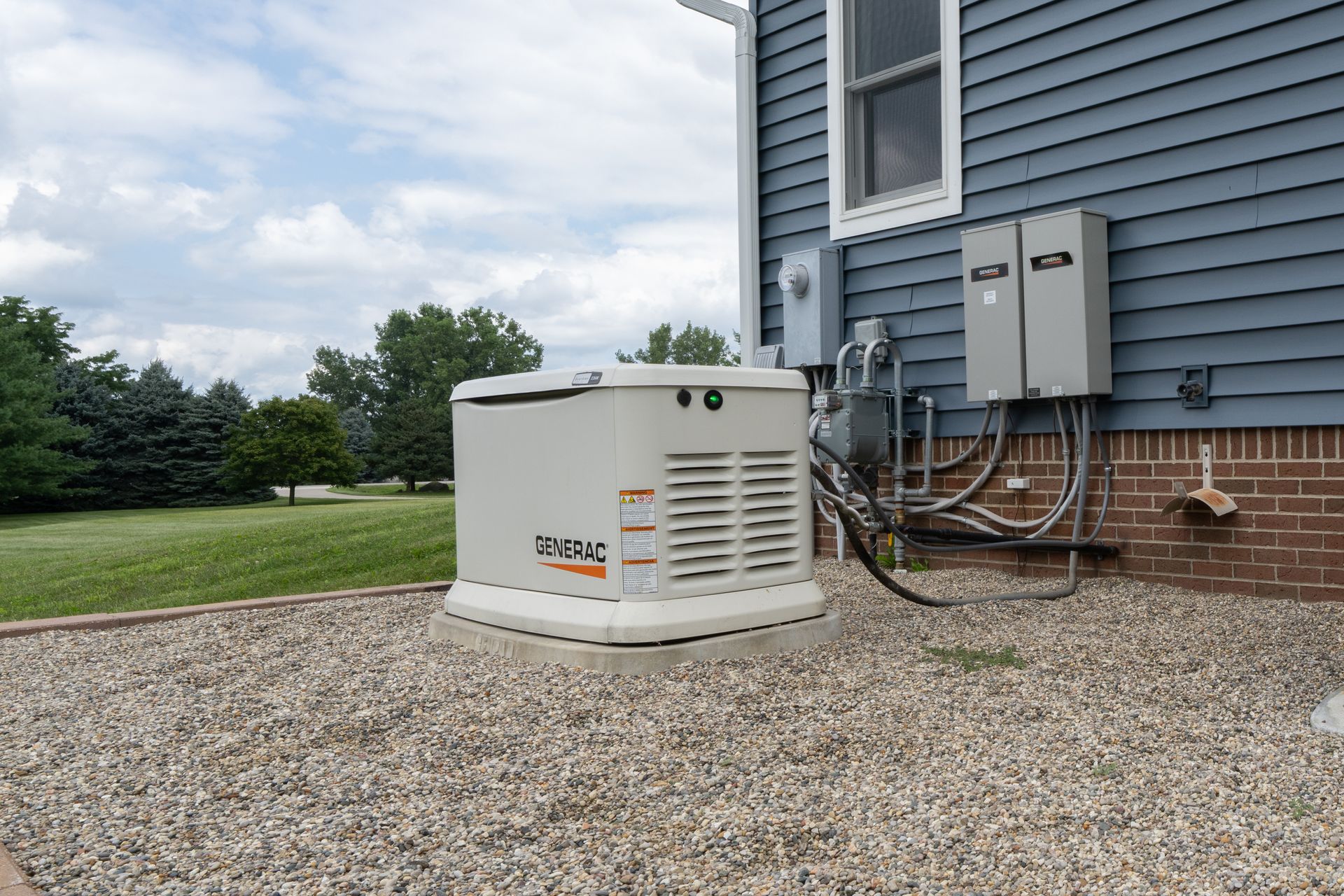
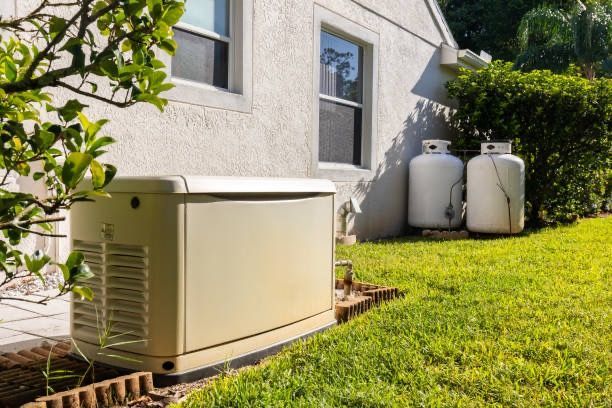
A standby generator, on the other hand, is permanently installed outside your home and automatically turns on when the power goes out. It can power your entire home or critical systems without any manual effort.
Both serve the same purpose—keeping your home powered—but they do it in very different ways.
Key Differences That Matter for Charlotte Homeowners
1. Power Capacity
Portable generators are ideal for limited use—think refrigerators, lights, or a sump pump.
Standby generators are built for whole-home coverage, meaning you can continue using HVAC systems, kitchen appliances, and electronics without interruption.
In Charlotte’s humid summers and occasional winter freezes, that difference matters more than most people expect.
2. Convenience and Response Time
Portable generators require:
- Manual setup
- Fuel refills
- Extension cords or transfer switches
Standby generators:
- Turn on automatically within seconds
- Require no manual effort
- Keep your home running even if you’re not there
If you travel often or don’t want to deal with setup during a storm, standby systems offer a major advantage.
3. Fuel Type and Runtime
Portable generators typically run on:
- Gasoline
- Propane
This means frequent refueling—especially during extended outages.
Standby generators are connected to:
- Natural gas lines or large propane tanks
This allows for long-term, uninterrupted power, which is critical during multi-day outages.
4. Safety Considerations
Portable generators must be used outside and far from your home to avoid carbon monoxide risks.
Standby generators are:
- Professionally installed
- Designed with built-in safety systems
- Automatically ventilated and positioned correctly
Safety is one of the biggest reasons many Charlotte homeowners upgrade to standby systems.
5. Cost vs Long-Term Value
Portable generators are more affordable upfront, making them a good option for:
- Occasional outages
- Budget-conscious homeowners
Standby generators require a larger investment but provide:
- Higher home value
- Greater reliability
- Peace of mind during severe weather
It’s not just about cost—it’s about how often you’ll rely on it.
Which Generator Is Right for Your Situation?
The best choice depends on how you plan to use it.
A portable generator may be right if you:
- Only need to power a few essentials
- Experience infrequent outages
- Are comfortable setting it up manually
- Want a lower upfront cost
A standby generator may be better if you:
- Want automatic, hands-free operation
- Need to power your entire home
- Have medical devices or critical systems
- Work from home or rely on consistent power
- Want long-term reliability during storms
In Charlotte, where storms can knock out power for hours—or even days—many homeowners find that standby generators provide the reliability they need.
When It’s Time to Call a Professional
If you’re still unsure—or leaning toward a standby generator—it’s time to talk to a licensed electrician.
Installing a standby generator isn’t a DIY project. It involves:
- Electrical system integration
- Transfer switch installation
- Permits and code compliance
- Proper placement and ventilation
Waiting too long to make a decision can leave you unprepared when the next outage hits.
A professional can evaluate your home, recommend the right system size, and ensure everything is installed safely and correctly.
Power Your Home with Confidence
Choosing between a standby generator and a portable generator comes down to one thing: how much reliability you need when it matters most.
If you want a simple, temporary solution, a portable generator may do the job.
But if you’re looking for long-term protection, convenience, and peace of mind, a standby generator is hard to beat—especially for Charlotte homeowners dealing with unpredictable weather.
If you’re ready to explore your options or need expert guidance, AMG Electric is here to help.