How to Choose the Right Generator Size for Your Home in Charlotte

AMG Electrical • May 11, 2026

Share this article

Why Choosing the Right Generator Size Matters

Generator size matters when outages hit in Charlotte. Power loss isn’t just inconvenient, it can disrupt your entire home, from air conditioning and refrigeration to security systems and medical equipment. If you’ve ever been without power, you’ve probably asked:


“What size generator do I actually need?”


Choosing the wrong size can lead to:


  • Overloading your system
  • Wasting money on oversized equipment
  • Not having enough power when you need it most


This guide will show you exactly how to determine the right generator size for your Charlotte home, so you can stay prepared, comfortable, and in control.

Understanding Generator Sizing for Your Home

When homeowners ask, “What size generator do I need?”, they’re really asking:


How much power (wattage) does my home require?


Generator size is measured in watts, and your ideal size depends on:


  • Your home’s square footage
  • The number of appliances you want to run
  • Whether you want partial or whole-home backup power


Common misconception: Bigger is always better. Reality: The right size is about efficiency, safety, and cost-effectiveness.

What Size Generator Do You Need for Your Charlotte Home?

Essential Backup (5,000 – 7,500 watts)


This level typically powers:


  • Refrigerator
  • Lights
  • Phone chargers
  • Small appliances


Best for: Short outages and basic necessities


Mid-Level Coverage (7,500 – 12,000 watts)


This range allows you to run:


  • Refrigerator
  • Lights
  • Sump pump
  • Window AC units
  • Select kitchen appliances


Best for: A comfortable, livable home during outages


Whole-Home Generators (12,000 – 22,000+ watts)


Full coverage includes:


  • Central air conditioning
  • Heating systems
  • Water heater
  • Laundry appliances
  • Full kitchen use


Best for: Seamless, uninterrupted power


Real-World Charlotte Example


A typical Charlotte homeowner with a 2,000–3,000 sq ft home often needs:


  • Around 10,000–15,000 watts for partial coverage
  • 20,000+ watts for full-home backup


This ensures your home stays cool, functional, and protected during extended outages.

How to Calculate the Right Generator Size

To get precise, follow these steps:


Step 1: List Essential Appliances


Focus on what you must have:


  • HVAC system
  • Refrigerator/freezer
  • Lights
  • Internet/router
  • Medical equipment (if applicable)


Step 2: Add Running Watts


Each appliance has a running watt requirement. Add them together to determine your baseline power need.


Step 3: Account for Starting Watts


Some systems, like AC units and refrigerators, require extra power at startup.

This is where many homeowners make mistakes and end up with a generator that can’t handle the load.


Step 4: Add a Safety Buffer


Always include a 10–20% capacity buffer to prevent:


  • System overload
  • Performance issues
  • Unexpected shutdowns

What You Should Do Before Buying a Generator

Before you commit, take these steps:


  • Decide between partial vs whole-home backup
    This will significantly impact size and cost
  • Evaluate your electrical panel
    Not all homes are ready for generator integration
  • Choose between portable vs standby generators
    Standby units offer automatic power restoration
  • Plan for future needs
    Your energy usage may grow over time

When to Call a Professional Electrician

Generator sizing isn’t just about numbers, it’s about safety, performance, and long-term reliability.


Getting it wrong can lead to:


  • Electrical overloads
  • System damage
  • Fire hazards
  • Generator failure during outages


That’s why working with a professional matters.


AMG Electric helps Charlotte homeowners:


  • Accurately calculate power needs
  • Recommend the right generator size
  • Install systems safely and efficiently
  • Ensure compliance with local electrical codes

How to Avoid Common Generator Mistakes

Avoid costly issues by following these tips:


  • Don’t undersize your generator
    Leads to overload and unreliable performance
  • Don’t overspend unnecessarily
    Bigger isn’t always better, just more expensive
  • Schedule regular maintenance
    Keeps your system reliable when it matters most
  • Test your generator regularly
    Don’t wait until an outage to find problems

Be Ready Before the Next Power Outage Hits

Power outages don’t come with a warning, but your preparation can make all the difference. Choosing the right generator ensures your home stays:


  • Comfortable
  • Operational
  • Protected


If you’re unsure what size generator you need for your Charlotte home, getting expert guidance is the smartest move. Call AMG Electrical Company today at 704-450-1214. Get expert recommendations, professional installation, and peace of mind knowing your home is ready for anything.

Recent Posts

Backup generator outside Charlotte home during power outage at night
By AMG Electric May 18, 2026
Reasons your backup generator failed during a Charlotte power outage, common issues, and when to schedule service before the next outage hits.
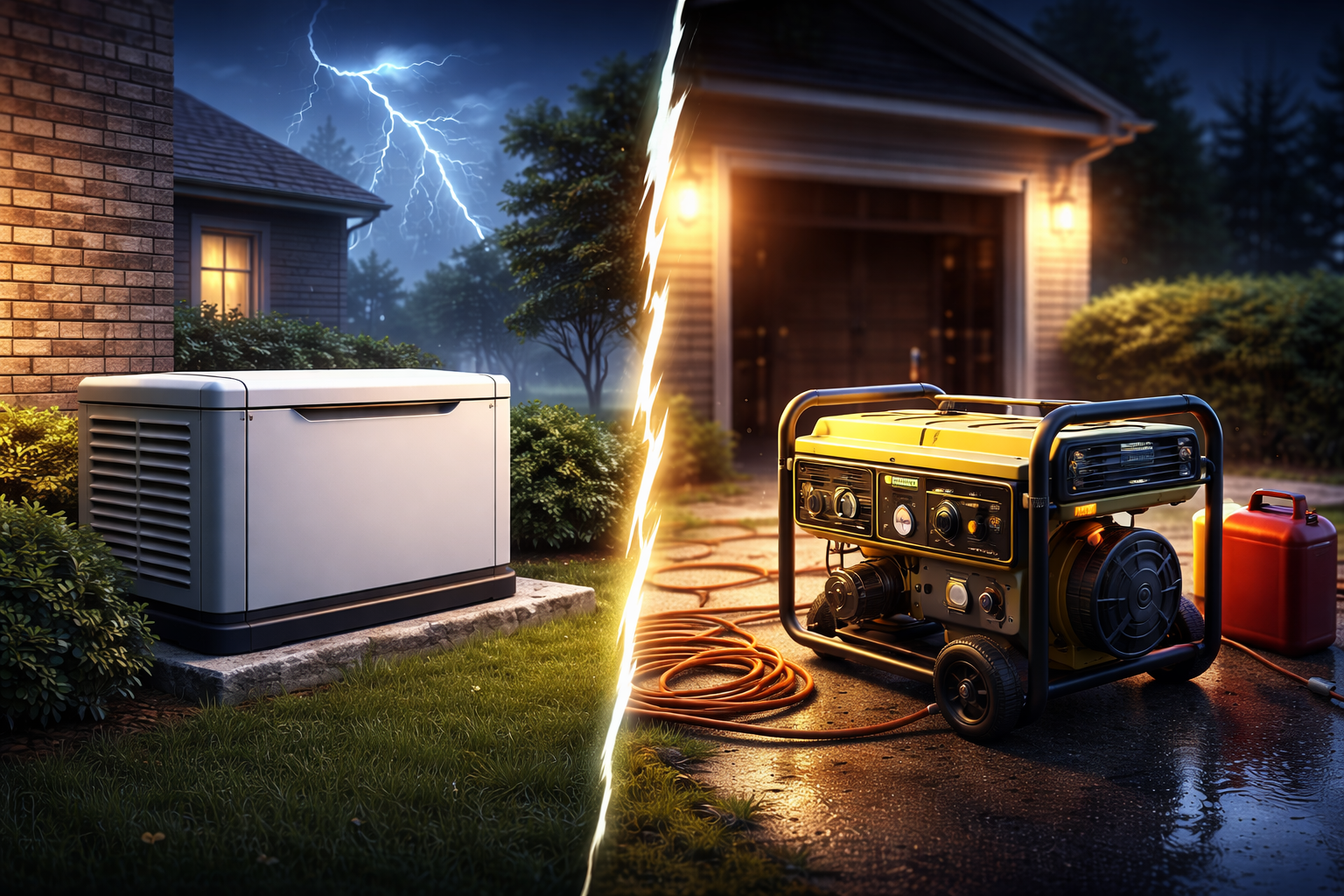
Standby Generator vs. Portable Generator
By AMG Electric April 28, 2026
Compare standby vs portable generators in Charlotte. Learn which option is best for your home and when to call a professional electrician. Call AMG Electric!
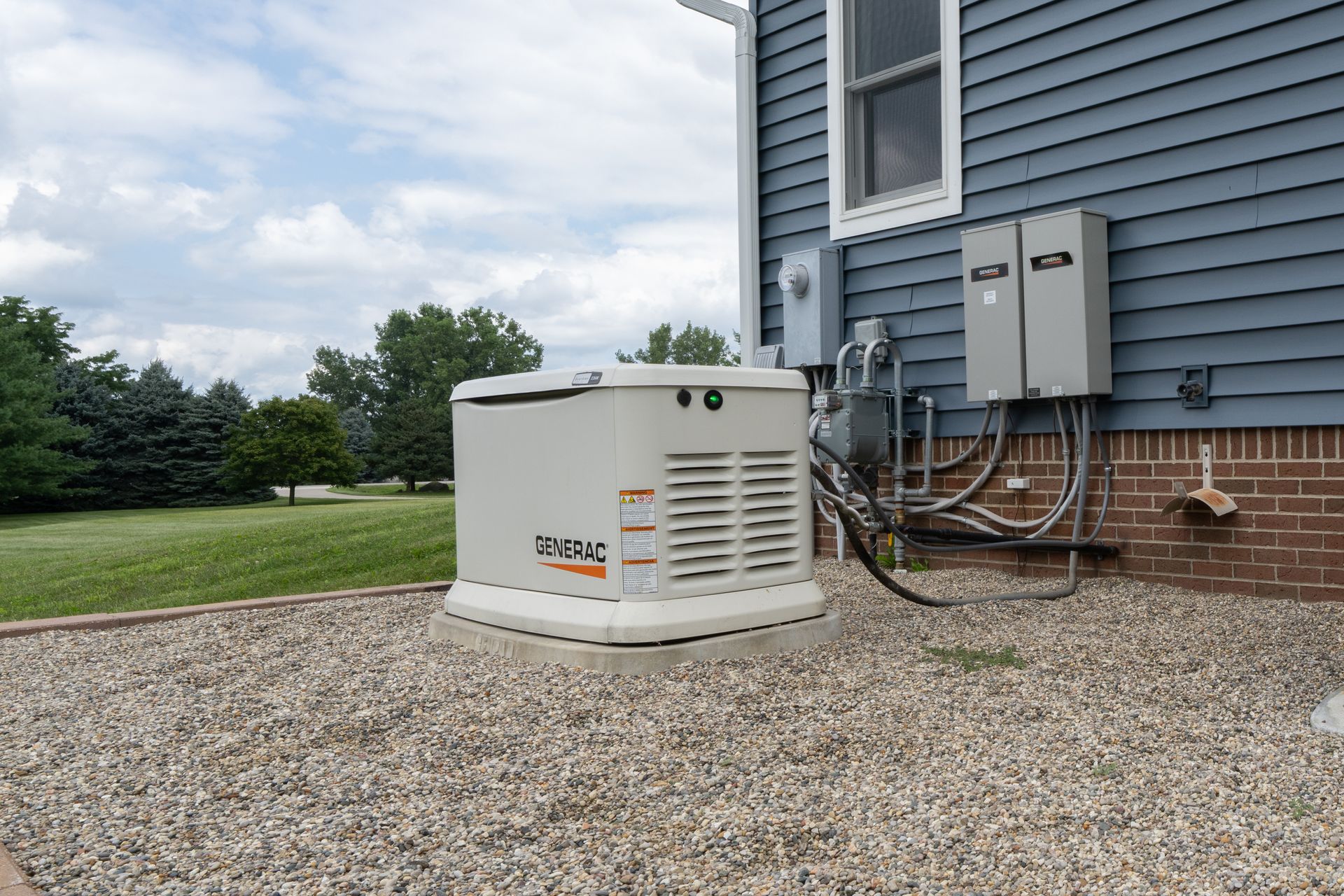
backup generator outside of home
By AMG Electric March 19, 2026
Key signs your Charlotte, NC home may need a backup generator to stay safe and powered during outages. Expert tips from local electricians. Call AMG Electric!